Creative Office Partition Design for Modern Workspaces
In today’s dynamic work environment, the importance of a well-thought-out office layout cannot be overstated. One of the key elements that can elevate the productivity, aesthetics, and comfort of an office is the office partition. Creative office partition designs not only offer a functional solution for space management but also enhance the overall design and flow of the workspace. With the rise of open-plan offices and the growing demand for flexible workspaces, partitions have become an essential element to balance collaboration, privacy, and personal space.
Let’s explore some creative office partition design ideas that cater to modern workspaces, providing style, versatility, and privacy while maintaining an open and airy atmosphere.
Why Office Partitions Are Important
Office partitions play a crucial role in creating a functional workspace. They provide a balance between open and private areas, allowing employees to focus when needed while also encouraging collaboration. In addition to their practical use, partitions also contribute to the overall aesthetic and ambiance of the office. Creative office partition designs help to divide large spaces into smaller, more manageable zones, fostering an environment that supports both individual productivity and teamwork.
Types of Office Partitions
1. Glass Partitions
Glass partitions are a popular choice for modern offices due to their sleek design and ability to maintain an open, airy feeling. These partitions allow natural light to flow throughout the workspace, making the area feel more spacious. Frosted or clear glass can be used depending on the level of privacy needed.
Pros:
Allows natural light to pass through
Modern and stylish look
Open and airy feel
Cons:
Can lack privacy without frosted or tinted glass
May require cleaning more frequently
2. Wooden Partitions
Wooden partitions bring warmth and texture to an office space. They can be used to create more private spaces without completely closing off areas. Wooden partitions can also be designed in various styles, from traditional to contemporary, making them versatile for any office design.
Pros:
Adds warmth and texture to the office
Great for creating a more private and quiet space
Can be customized to suit any office design
Cons:
Can make a space feel smaller if not used properly
Can be expensive depending on the material
3. Modular Partitions
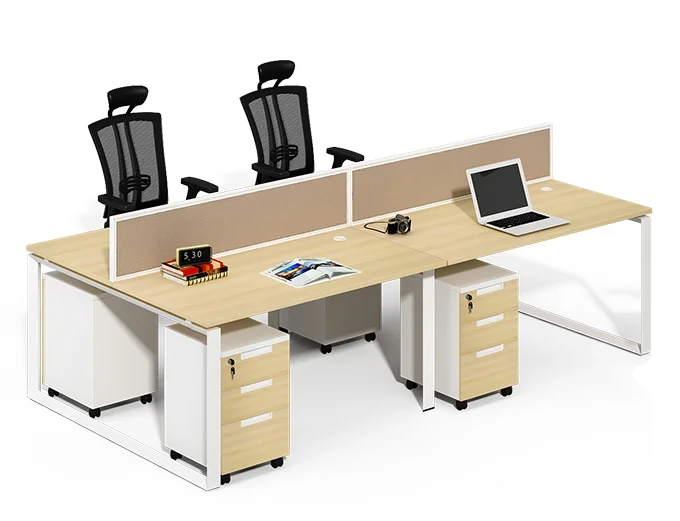
Modular partitions are designed to be flexible and adaptable. These partitions can be rearranged or reconfigured as needed, making them perfect for businesses that frequently change the size or structure of their teams. Modular partitions come in a range of materials including fabric, wood, and metal.
Pros:
Flexible and adaptable to changing needs
Can be moved or reconfigured easily
Ideal for growing businesses
Cons:
May not offer as much privacy as other types of partitions
Can look more industrial and less polished
4. Acoustic Partitions
Acoustic partitions are designed to reduce noise and create quiet zones within open-plan offices. These partitions are especially useful in environments where concentration and focus are essential. Acoustic panels can be added to both traditional and modern partition designs to provide soundproofing without compromising on aesthetics.
Pros:
Provides noise reduction for increased focus
Ideal for creating quiet zones
Enhances privacy in open offices
Cons:
May require more maintenance than other partition types
Can be bulky or take up more space
5. Green Partitions
Green partitions use plants to create natural barriers between workstations. Not only do these partitions enhance privacy, but they also improve air quality and add a touch of nature to the workspace. Living walls, potted plants, and vertical gardens can serve as effective partitions while bringing in a natural aesthetic.
Pros:
Adds a natural and calming element to the office
Improves air quality
Promotes wellness and reduces stress
Cons:
Requires regular maintenance and care for plants
Might not be ideal for all office environments
6. Fabric Partitions
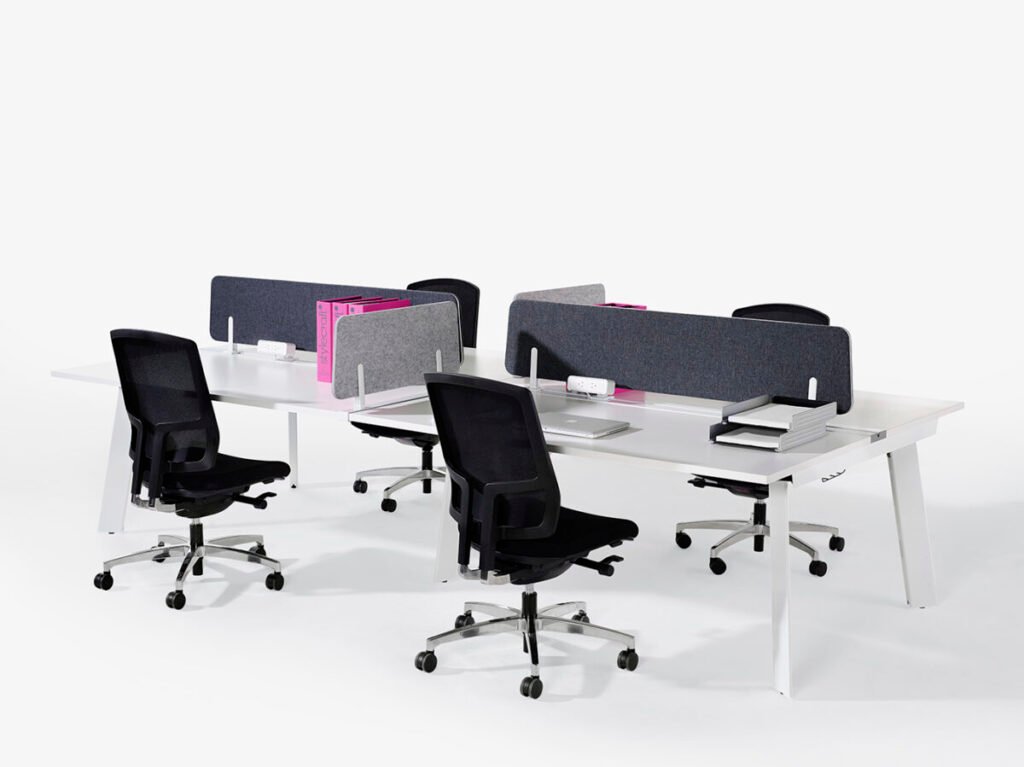
Fabric partitions are versatile, lightweight, and easy to install. They are available in a range of colors, textures, and patterns, allowing businesses to personalize their office layout. These partitions are typically used in more informal office settings or for creating temporary divisions in the workspace.
Pros:
Lightweight and easy to install
Available in a variety of colors and designs
Provides flexibility for temporary office layouts
Cons:
Can wear out over time with frequent use
May not offer as much soundproofing or privacy as other partitions
Innovative Ideas for Office Partition Design
1. Sliding Partitions
Sliding partitions are perfect for offices that need flexible, multi-purpose spaces. These partitions can be moved to open or close off areas depending on the needs of the day. Sliding partitions are often used in meeting rooms, conference areas, or breakout zones, allowing for quick adjustments to the office layout.
Benefits:
Easy to move and adjust
Great for multi-functional spaces
Saves space when open
2. Open Shelf Partitions
Open shelving partitions combine functionality and design. They act as dividers while also offering storage space for books, files, or decorative items. This is a great way to incorporate both organization and privacy into the office layout.
Benefits:
Provides storage while dividing space
Can be personalized with décor items
Encourages organization
3. Partition Walls with Art
A creative way to combine design and functionality is by incorporating artwork into partition walls. These partitions can be painted with inspiring designs or covered with murals, creating a visually appealing office while dividing spaces. This is a great choice for creative agencies or design-focused businesses.
Benefits:
Adds personality and creativity to the office
Acts as a focal point in the workspace
Inspires employees and visitors
4. Curved Partitions
Curved partitions offer a more organic, fluid feel to the office design compared to the traditional straight lines of regular partitions. They are great for modern offices looking to break away from conventional designs and can be used to create unique spaces that are visually interesting and functional.
Benefits:
Can promote collaboration with flexible spaces
Creates a dynamic and unique design
Softens the visual appeal of the office
Tips for Choosing the Right Office Partition Design
Understand Your Office Needs: Consider your office’s workflow, team size, and tasks. The layout and type of partition you choose should support your business needs.
Maximize Natural Light: When choosing office partitions, opt for designs that allow for ample natural light to flow throughout the space.
Choose the Right Materials: Select materials that suit the office environment. For example, use acoustic partitions in areas requiring privacy or glass partitions in open areas to keep the space feeling expansive.
Focus on Flexibility: For businesses that frequently evolve, modular or movable partitions provide the adaptability needed to adjust layouts as your team grows.
Incorporate Branding: Partitions are a great way to incorporate your company’s branding and colors into the workspace. Choose designs that reflect your brand’s personality and enhance the overall office atmosphere.
Conclusion
Creative office partition designs offer endless possibilities to enhance both the functionality and aesthetics of your workspace. Whether you opt for glass, wood, modular, or even green partitions, the right choice will depend on your office’s goals, employee needs, and the overall design vision. By carefully selecting and integrating these partitions into your office layout, you can create a productive, collaborative, and inspiring environment that works for everyone.
Explore a range of office partition designs that suit your needs and elevate your workspace today! Contact us for innovative and customizable partition solutions tailored to your business.
At Furniture Fusion, we strive to provide the best possible service to our customers. We work with businesses of all sizes, from small start-ups to large multinational companies.