A well-designed boardroom is more than just a meeting space; it’s the epicenter of strategic discussions, decision-making, and brainstorming. When designing a boardroom, it’s essential to consider functionality, comfort, and aesthetic appeal. Whether for a corporate office, startup, or co-working space, the right boardroom design can make all the difference. Here are some essential factors to keep in mind when designing a boardroom for optimal results.
1. Purpose and Functionality
Before diving into the design process, it’s essential to define the primary purpose of the boardroom. Will it be used primarily for executive meetings, client presentations, team discussions, or virtual conferences? Understanding its use case will influence the choice of furniture, technology, and overall layout.
Key points to consider:
Meeting Size: Determine the average number of attendees.
Flexibility: Consider multi-purpose setups for varied uses like training sessions or workshops.
Accessibility: Ensure the room accommodates individuals with diverse needs.
2. Boardroom Furniture
The furniture you select should balance comfort, functionality, and style.
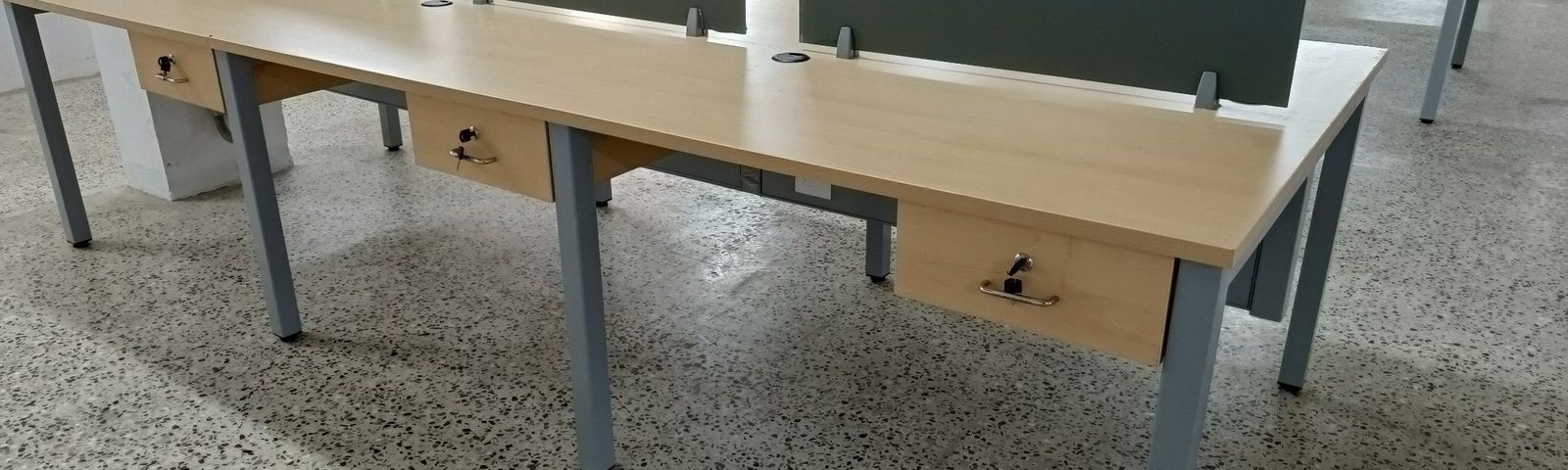
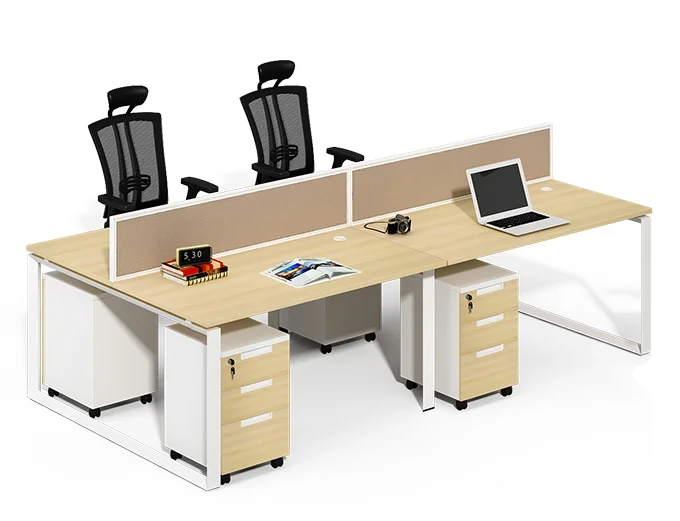
Conference Table: Choose a table that complements the room size, ensuring enough space for comfortable movement. Popular options include oval, rectangular, or boat-shaped tables for optimal visibility and communication.
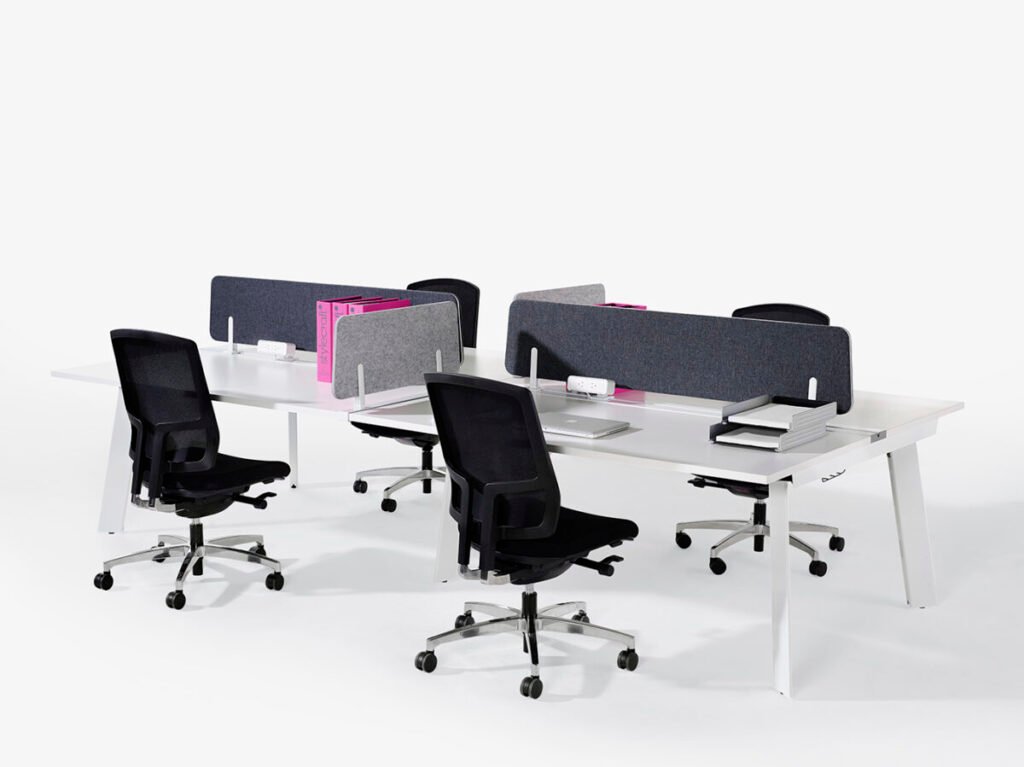
Seating: Invest in ergonomic chairs to ensure comfort during long meetings. Adjustable features and supportive designs improve productivity and minimize fatigue.
Storage Solutions: Include storage cabinets or shelves for storing essential items like documents, projectors, or refreshments.
3. Technology and Connectivity
Modern boardrooms require seamless technology integration to support hybrid and digital-first work environments.
Audio-Visual Equipment: Install high-quality screens, projectors, and sound systems for presentations.
Video Conferencing Tools: Equip the room with cameras, microphones, and speakers to enable virtual collaboration.
Power and Connectivity: Ensure adequate power outlets and Wi-Fi coverage for uninterrupted connectivity.
Smart Systems: Consider smart lighting and climate control systems for added convenience.
4. Layout and Space Planning
Efficient space planning ensures comfort and functionality:
Room Size: The boardroom’s dimensions should accommodate furniture and allow free movement.
Seating Arrangement: Choose a layout (U-shape, theater, or cluster) based on meeting types.
Acoustics: Use soundproofing materials to minimize distractions and enhance privacy.
Lighting: Opt for a mix of natural light and adjustable artificial lighting to maintain focus and reduce eye strain.
5. Aesthetic Appeal
The boardroom’s design should reflect the company’s brand identity and culture.
Color Scheme: Use colors that evoke professionalism and calmness, such as blues, grays, or neutrals.
Decor: Incorporate art, plants, or branded elements to create an inspiring atmosphere.
Materials: Choose durable, high-quality materials for furniture and finishes that exude sophistication.
6. Sustainability
Incorporate eco-friendly elements to align with sustainability goals:
Energy Efficiency: Use LED lighting and energy-efficient appliances.
Sustainable Materials: Opt for recyclable and renewable materials for furniture and decor.
Indoor Plants: Improve air quality and add a natural touch with greenery.
5. Activity-Based Workspaces
Best For: Companies with diverse teams handling varied tasks.
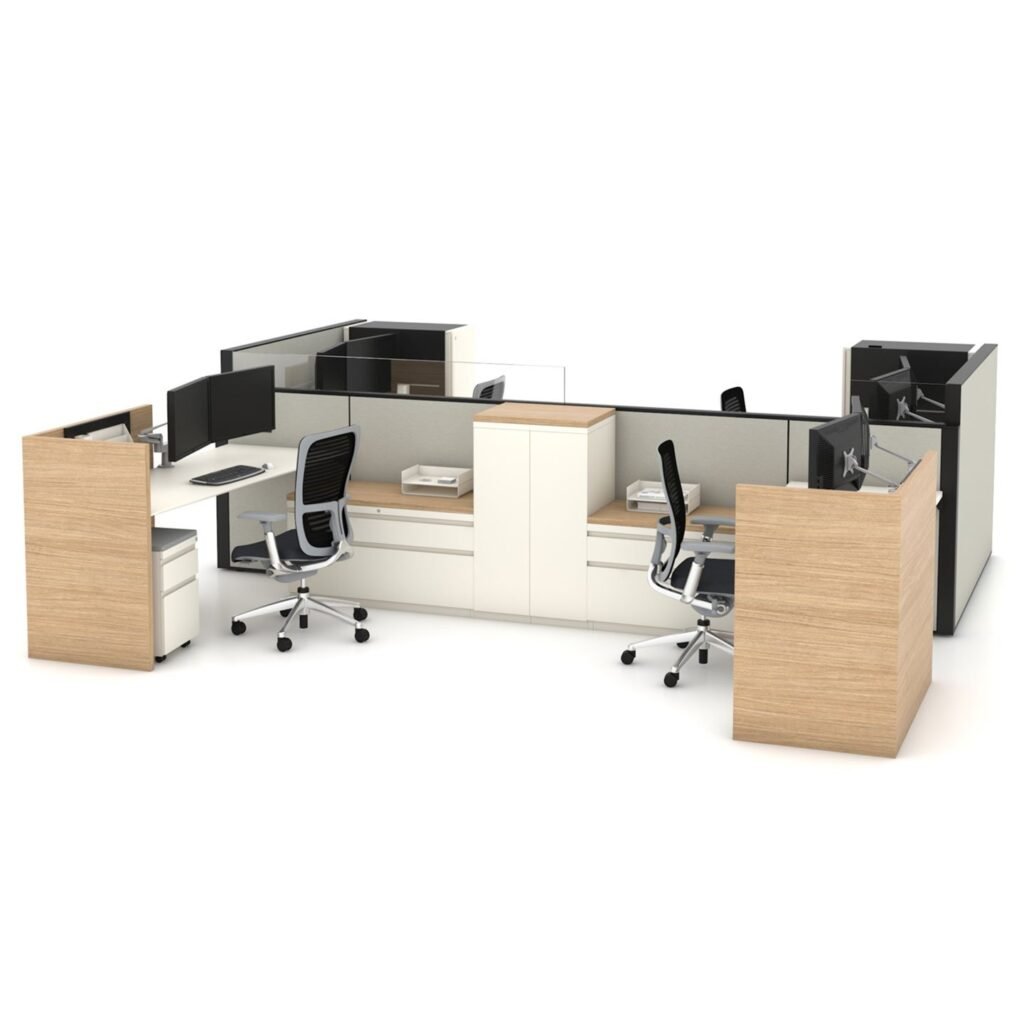
Activity-based workspaces are designed to suit different work styles and activities. Offices are divided into specific zones for quiet work, collaboration, relaxation, and meetings, allowing employees to choose spaces based on their current tasks.
Advantages:
Encourages productivity and creativity.
Offers variety and flexibility.
Reduces monotony in daily routines.
Challenges:
Requires careful zoning and space allocation.
May demand more space to accommodate various zones.
6. Home Offices
Best For: Remote workers, freelancers, and small business owners.
With the rise of remote work, home offices have become increasingly popular. These spaces are tailored for individual productivity and comfort, often featuring ergonomic furniture, minimal distractions, and a personal touch.
Advantages:
Eliminates commuting time.
Offers maximum personalization.
Ideal for focused and independent work.
Challenges:
Requires self-discipline and motivation.
Limited collaboration opportunities.
7. Maintenance and Upkeep
Design a boardroom that is easy to maintain:
Use stain-resistant and durable materials.
Choose furniture that’s easy to clean and repair.
Incorporate concealed cable management systems to keep the space clutter-free.
Conclusion
Designing a functional and aesthetically pleasing boardroom requires careful planning and attention to detail. By prioritizing purpose, comfort, technology, and style, you can create a space that fosters collaboration and productivity. At Furniture Fusion, we specialize in providing customizable office furniture solutions that meet the diverse needs of modern workplaces. Contact us today to bring your boardroom vision to life.
At Furniture Fusion, we strive to provide the best possible service to our customers. We work with businesses of all sizes, from small start-ups to large multinational companies.