
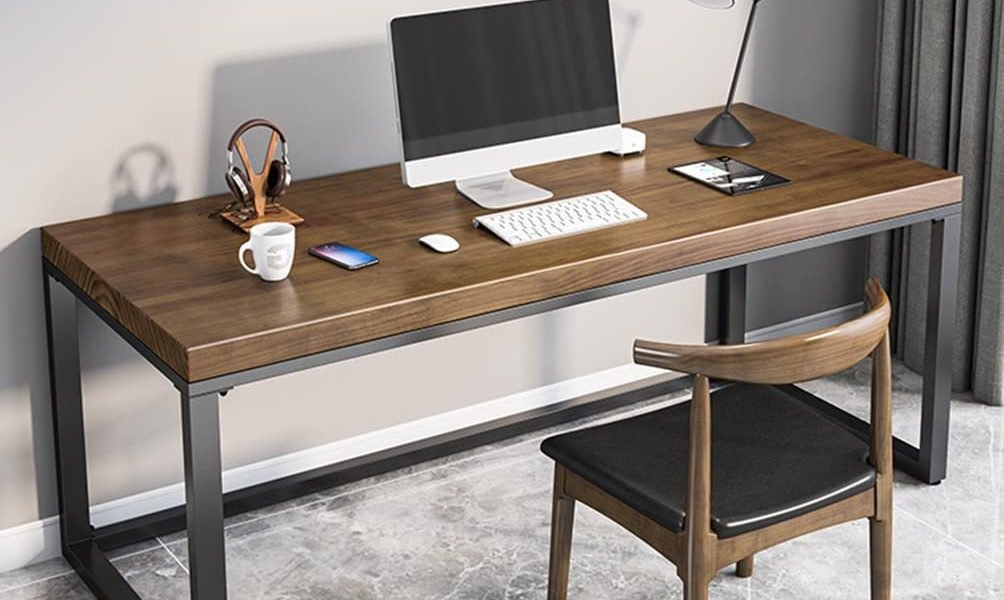
The modern office is evolving, with companies increasingly adopting flexible work environments that prioritize employee collaboration, comfort, and efficiency. Modular furniture is at the forefront of this change, offering a versatile and adaptable solution for creating dynamic workspaces. Whether you’re designing an office for a growing team or reconfiguring an existing space, modular furniture allows you to easily adjust layouts and create workspaces that meet your team’s diverse needs. Here’s how to arrange flexible workspaces with modular furniture.
1. Assess Your Space and Needs
Before diving into the world of modular furniture, it’s important to assess the available space and understand the specific needs of your workforce. Think about how the space will be used: Is it for individual workstations, collaborative areas, or a mix of both? Do you need quiet zones for focused work, or is the priority on open areas that encourage team interaction?
By evaluating your requirements, you can better determine how modular furniture can be arranged to provide the right balance between personal space and collaboration. Furniture Fusion offers a variety of modular solutions, allowing you to design a flexible workspace that suits your team’s unique working style.


2. Create Work Zones with Modular Components
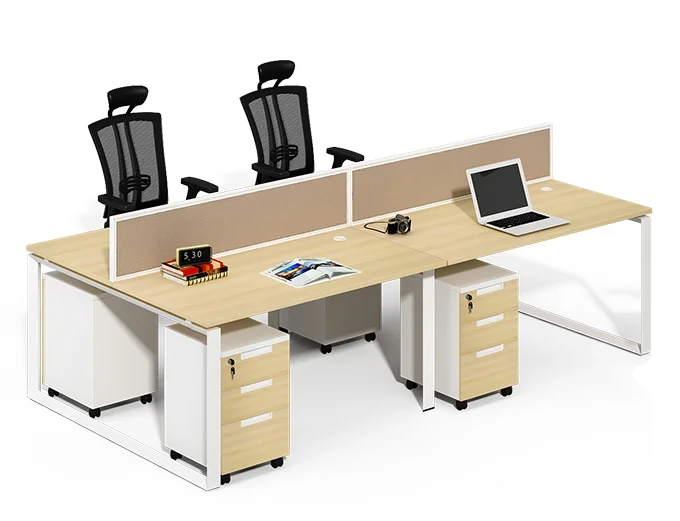
Modular furniture offers flexibility and scalability, allowing you to create specific work zones within your office. You can arrange areas for individual workstations, team collaboration, or relaxation. This furniture lets you easily rearrange layouts to adapt to changing needs.
For example, set up quiet workstations with ergonomic desks and chairs in one part of the office while creating open collaborative spaces with modular seating and tables in another. The beauty of modular furniture is that it can evolve as your office needs change, helping you maximize space efficiency while accommodating different types of work.
3. Maximize Space with Modular Storage Solutions
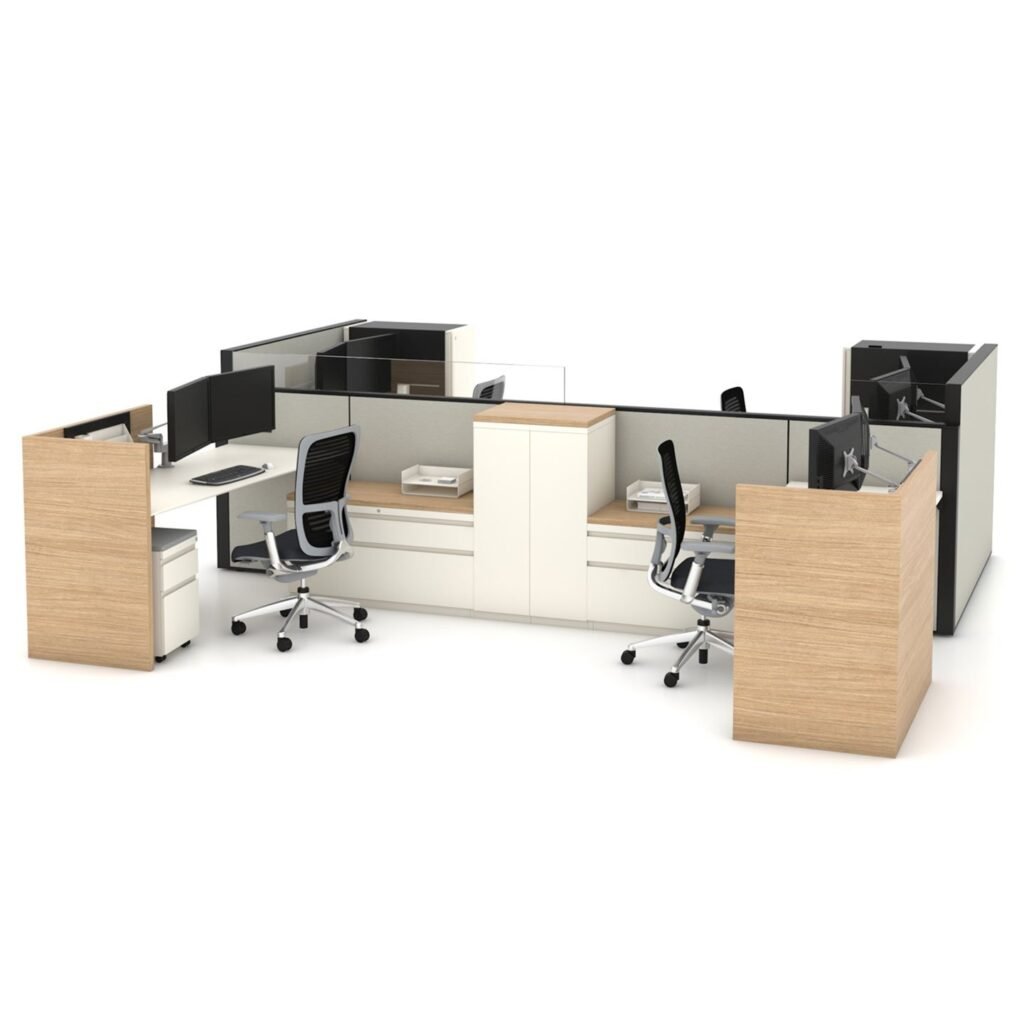
Efficient use of space is crucial in any office design, especially when it comes to organizing documents, files, and personal items. Modular storage solutions, such as shelves, cabinets, and drawers, allow you to create functional storage areas that blend seamlessly with your office layout.
With modular storage, you can adapt the design to suit your space’s layout and make use of underutilized areas. Storage units can be integrated into workstations or placed along walls to free up more floor space. Furniture Fusion’s modular storage options provide flexibility to organize your office without compromising on design or functionality.

4. Focus on Collaboration with Flexible Meeting Spaces
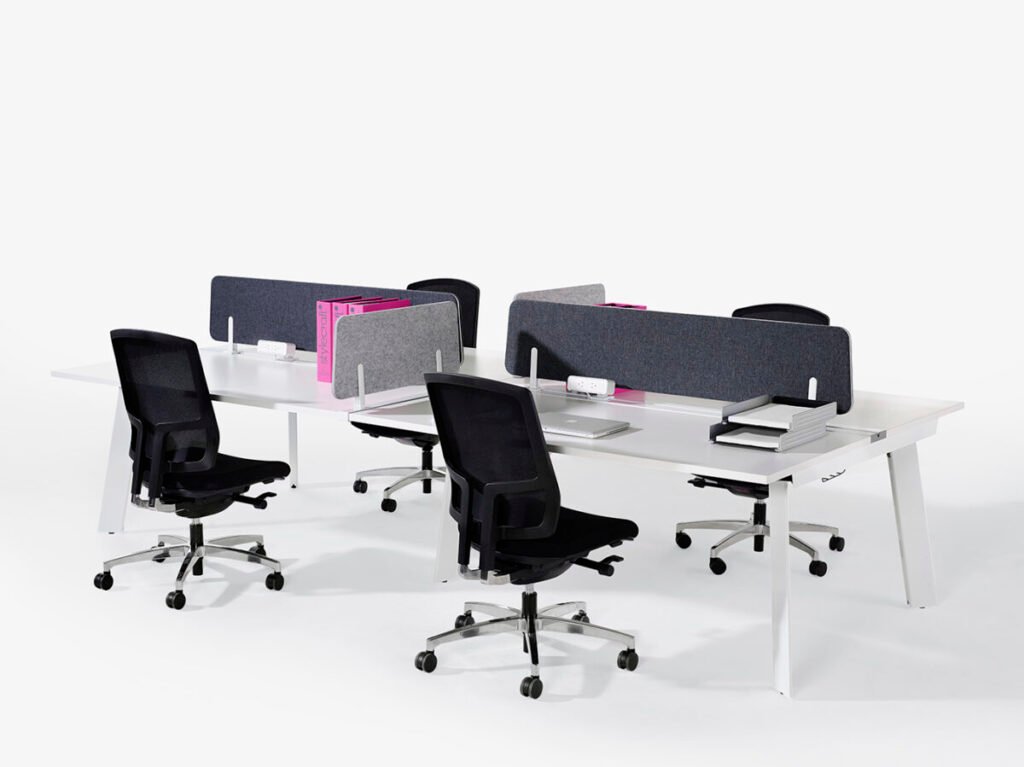
Encouraging team collaboration is essential for driving innovation and productivity in the workplace. Modular furniture allows you to easily create flexible meeting spaces that can be rearranged as needed. You can combine modular tables and chairs to form different configurations based on the size and nature of the meeting.
For brainstorming sessions, use movable tables and comfortable seating to create informal meeting zones. When larger team meetings are required, modular tables can be pushed together to accommodate more people. The versatility of modular furniture ensures that your office can easily adapt to different team dynamics and meeting formats.
5. Design for Comfort and Flexibility
Flexibility is not just about rearranging furniture; it’s about providing a workspace where employees can comfortably switch between various tasks. Incorporate flexible seating options, such as movable chairs, lounges, and standing desks, to allow employees to work in different ways throughout the day.
Incorporating comfortable seating for breaks or informal discussions can also improve overall office dynamics. Modular sofas and chairs can be added to create social spaces or relaxation zones where employees can recharge. Providing various seating options ensures that employees have the freedom to choose where and how they work, leading to greater productivity and overall satisfaction.
6. Plan for Future Growth
One of the key advantages of modular furniture is its ability to scale with your business. As your team grows or office needs change, you can easily add new components without completely redesigning the space. When arranging a flexible workspace, plan for future expansion by selecting modular pieces that you can easily expand or reconfigure. These pieces allow you to accommodate additional team members or adapt to new work styles.
Furniture Fusion offers scalable modular furniture solutions that grow with your business, allowing you to maintain a flexible and adaptable office space as your needs evolve.
7. Personalize the Workspace with Modular Design
Modular furniture offers customization options that allow you to design a workspace that reflects your company’s culture and values. Choose from a variety of colors, finishes, and materials to create an environment that feels inviting, professional, and inspiring.
By incorporating branded elements, personalized workstations, and unique design features, you can enhance the overall aesthetics and functionality of your office. Modular furniture offers the freedom to create a workspace that aligns with your company’s identity while maintaining flexibility for future changes.
Conclusion
Arranging flexible workspaces with modular furniture provides businesses with the ultimate combination of versatility, functionality, and style. Modular furniture helps you create specific work zones and accommodate future growth. It allows you to design an office that evolves with your team’s needs. By considering your workspace’s unique requirements, you can leverage modular solutions. This approach promotes collaboration, productivity, and comfort.
Furniture Fusion offers a wide range of modular furniture options to help you create a flexible and dynamic workspace. Whether you’re starting from scratch or reconfiguring an existing office, our customizable solutions make it easy to design an office that works for you. Explore our modular furniture today and take the first step toward creating a more adaptable and productive work environment.